Introduction
In emergencies, every second matters-- especially when it pertains to saving lives. The act of executing chest compressions during a heart attack can suggest the distinction in between life and death. This write-up explores the intricacies of Mastering Compressions: Taking Turns to Save Lives, highlighting the value of synergy, proper strategy, and knowledge of protocols that can improve survival prices in essential circumstances. By the end of this comprehensive guide, you will have a much Brisbane first aid certification classes deeper understanding of not just standard vs innovative life assistance, however also just how taking turns on compressions can enhance rescue efforts.
Mastering Compressions: Taking Turns to Save Lives
When it comes to CPR (cardiopulmonary resuscitation), grasping compressions is essential. Chest compressions are the heart of mouth-to-mouth resuscitation, actually and figuratively. They maintain blood flow to important body organs when the heart falls short, supplying time for emergency services to show up and take over. Nonetheless, many individuals are not aware that taking turns during compressions can substantially boost effectiveness and effectiveness.
The Significance of Upper body Compressions
- What are Upper body Compressions? Chest compressions are rhythmic presses put on the sternum, intending to simulate the heart's pumping action. Why Are They Critical? During heart attack, blood flow quits. Without prompt intervention, brain damage and fatality can happen within minutes.
Basic vs Advanced Life Support
Understanding advanced first aid and cpr training the difference in between basic vs sophisticated life support is crucial for any individual aiming to offer aid in an emergency.
- Basic Life Assistance (BLS) Often showed in CPR training courses, BLS includes chest compressions, rescue breaths (if educated), and utilizing an AED (Automated External Defibrillator). Advanced Life Support (ALS) ALS includes much more intricate treatments like respiratory tract management and medication administration by experienced healthcare professionals.
Checking Responsiveness: The First Step
Before initiating any life-saving measures, examining responsiveness is essential.
- How to Check Responsiveness? Gently drink the individual's shoulders while asking if they are okay. If there's no action, require emergency situation assistance immediately.
Hospital Codes and Protocols
Every hospital operates under certain codes that determine exactly how emergencies need to be handled.
- What are Hospital Codes? Codes like "Code Blue" typically indicate a client needing resuscitation. Why Know These Codes? Understanding procedures makes certain that your activities line up with medical facility policies throughout an emergency situation situation.
Public Defibrillator Use: A Lifesaver
Public gain access to defibrillators play a substantial function in increasing survival prices throughout cardiac arrests.
- How Do You Make use of One? Locate a neighboring AED. Turn it on and adhere to voice prompts. Ensure no person is touching the patient when delivering a shock.
BLS Accreditation: Why It Matters
Obtaining your BLS accreditation is vital for both laypersons and medical care providers.
- Where Can You Get Certified? Many organizations like the American Heart Organization offer training courses at various levels.
Identifying No Breathing: An Essential Skill
Knowing exactly how to recognize whether somebody is breathing is vital before initiating CPR.
- What Does No Breathing Look Like? Lack of regular breathing patterns; look for wheezing or no motion at all.
Taking Turns on Compressions: A Group Effort
When multiple rescuers exist, rotating duties throughout breast compressions can stop fatigue.
Benefits of Taking Turns
Maintains high-quality compressions. Prevents rescuers from becoming exhausted. Enhances control amongst team members.Lower Compression Depth: Is It Effective?
While there's a requirement for compression depth (at least 2 inches), some might wonder about lower depths in certain situations.
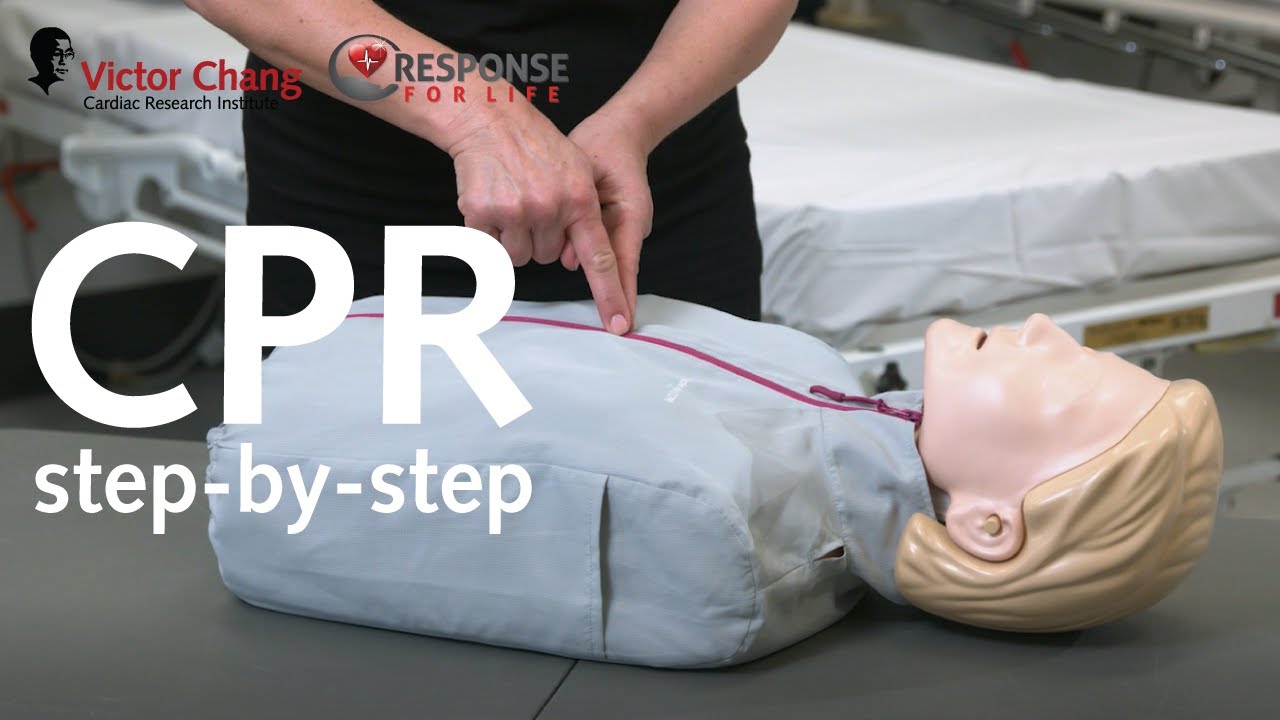
- Is Reduced Compression Deepness Effective? No-- sticking to suggested guidelines is necessary for reliable blood flow throughout CPR.
Slow Compression Rate: What's Optimal?
An usual mistaken belief is that slower rates could be a lot more efficient; nonetheless:
- The perfect price for chest compressions is between 100-- 120 per minute.
FAQ Section
1. What must I do if I see a person collapse?
Start by checking responsiveness-- scream their name or provide a gentle shake. If there's no action, phone call emergency situation solutions immediately.
2. The length of time should I do CPR?
Continue till emergency situation -responders get here or an AED is available; preferably till you're too exhausted or someone else can take over.
3. Can I do mouth-to-mouth resuscitation on children?
Yes! The strategy is comparable yet with decreased force-- make use of one hand as opposed to two for smaller sized youngsters if needed.
4. Where can I find out about BLS certification?
Check neighborhood healthcare facilities or health and wellness companies; many supply courses on a regular basis customized towards different ability levels.
5. What happens if I'm alone when somebody requires help?
If you're alone with an adult who's unresponsive but breathing usually, call emergency services prior to starting mouth-to-mouth resuscitation; if they're not breathing-- start best away!
6. Is public defibrillator usage safe?
Absolutely! AEDs are created for layperson usage with straightforward directions given through audio triggers-- do not hesitate!
Conclusion
Mastering Compressions: Taking Transforms to Save Lives highlights more than simply doing breast compressions; it symbolizes teamwork, understanding of procedures, and knowledge concerning devices like AEDs that collectively add in the direction of conserving lives in emergencies. Whether you're certified or simply want to be planned for unforeseen scenarios, comprehending these principles will encourage you as a very first -responder in critical moments. Bear in mind-- the capability to act confidently can transform fear right into action when it matters most!